
"Highland Province"
400 article(s) found

What kind of coffee beans does China Coffee recommend? Panama's Castillo de la Castillo
Highland-grown coffee is absolutely high quality, but plantation coffee is not yet available. Panama Coffee is soft, light and balanced in acidity, and its premium coffee beans are pure in flavor and character. The first batch of coffee exported each year leaves in November, and almost all of the premium beans are shipped to France and Finland. Good coffee is grown here.

Introduction to the flavor and taste of Nicaraguan boutique coffee beans the characteristics of the manor area
Columbus arrived here in 1502 and reached the east coast of Nicaragua. In 1522, Spanish colonists began to conquer the region. The cities of Granada and Leon were founded in 1524. From then on, Nicaragua became a Spanish colony and came under the jurisdiction of the Governor's Office of Guatemala. The city of Leon developed into a political and cultural center; Granada became a commercial and agricultural center. In the later period of colonial rule

What are the characteristics of Peruvian coffee Peru? Peruvian coffee cooperative introduces Peruvian coffee flavor
Peru is dominated by small farmers. Each small farmer has less than two hectares of land and produces about 3000 pounds of coffee per hectare. Peruvian coffee is planted in high altitude areas, mainly Arabica varieties. Under the slow mature growth, the density of beans here is higher, and the flavor changes a lot. Among them, the highest altitude, Peru's most important coffee producing area is: cha Mayou C.

The Flavor and Taste of Fine Coffee beans from Rwanda the Manor production area introduces the Lute Xilo production area in the western province.
Rwanda coffee is absolutely high quality in the form of washed Arabica beans. As far as Africa is concerned, its coffee industry is remarkable because the country thrives mainly by producing the best possible coffee beans. Coffee from Rwanda is becoming more and more popular in the international market. The mission of the Rwandan Coffee Association is to manage and supervise the coffee industry in Rwanda from production to sales.

Introduction of Kenyan Fine Coffee Flavor Manor which is not strong in taste
Kenya is divided into seven provinces (PROVINCE) and one provincial special district (Nairobi province). The following provinces are divided into districts (DISTRICT), townships (DIVISION) and villages (LOCATION). Under the new constitution, the four-tier administrative structure will be changed to the central and county (COUNTY) levels. The 47 counties established under the new constitution will be officially operational after the 2013 general election. The seven provinces are: central Kenya

Introduction to the flavor and taste characteristics of coffee from Chilmel Manor, Rwanda
Clans began to form kingdoms in the 15th century, and in 1700 there were eight kingdoms in Rwanda. The Kingdom of Rwanda, ruled by the Nyiginya clan of the Tutsi nationality, grew gradually in the mid-18th century and reached its peak under King Kigali IV in the 19th century. The provinces before 2006 are as follows: Butare, Byumba, Shanggugu.
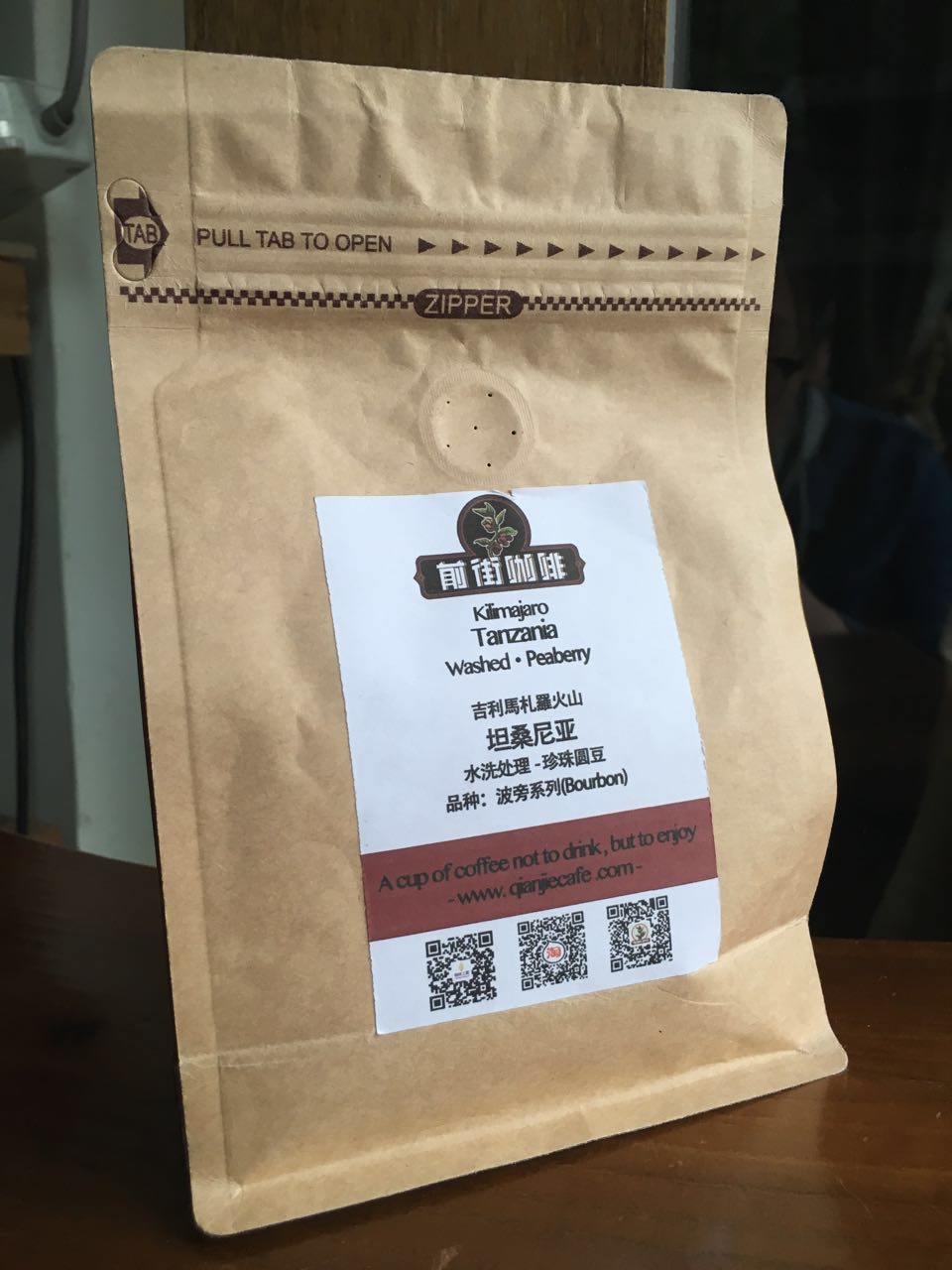
Boutique coffee Rwanda coffee producing area in the western province of Lutexilo
Since the 1920s, Arabica coffee grown in Rwanda has been famous for its unique fruit sweetness and rich grass aroma. In recent years, the Rwandan government has taken positive measures to vigorously promote coffee production, set up coffee production cooperatives in various places, and give technical guidance and financial support to farmers, so that coffee production has made considerable progress. University of Rwanda

South Minas, the backbone of Brazilian boutique beans
Brazil is flat, with coffee farms mostly about 600-1000 meters above sea level, suitable for growing shade-free Kaddura, New World and Kaduai, also known as Sm CofFee. This is the main reason for the lack of aroma of Brazilian coffee (but when the altitude is more than 1100 meters, the taste of exposed coffee will improve, comparable to bourbon. See Chapter 4 of this book). The good news is that

Boutique coffee Rwanda coffee producing area in the western province of Lutexilo
Since the 1920s, Arabica coffee grown in Rwanda has been famous for its unique fruit sweetness and rich grass aroma. In recent years, the Rwandan government has taken positive measures to vigorously promote coffee production, set up coffee production cooperatives in various places, and give technical guidance and financial support to farmers, so that coffee production has made considerable progress. University of Rwanda
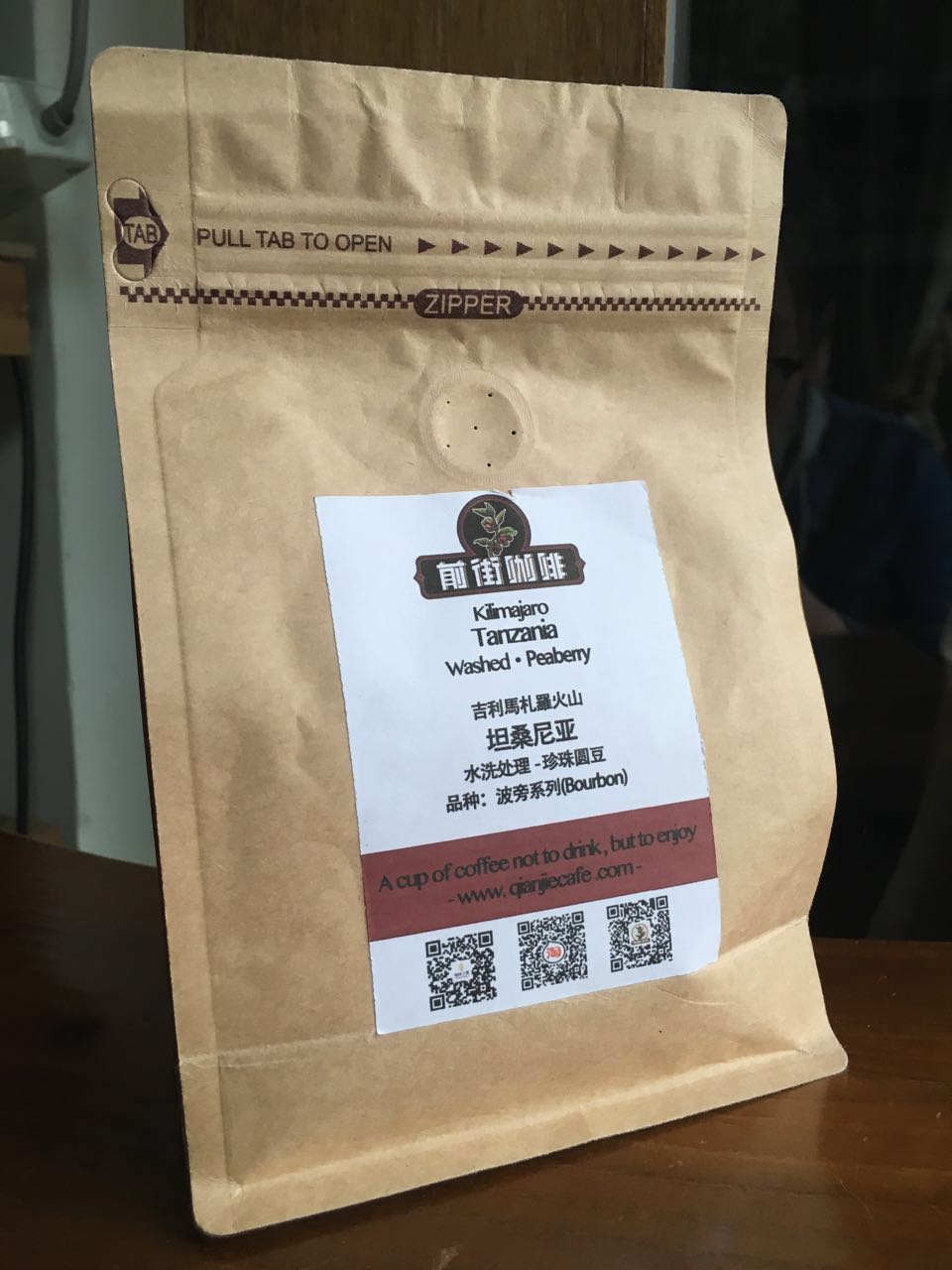
Boutique coffee Rwanda coffee producing area in the western province of Lutexilo
Since the 1920s, Arabica coffee grown in Rwanda has been famous for its unique fruit sweetness and rich grass aroma. In recent years, the Rwandan government has taken positive measures to vigorously promote coffee production, set up coffee production cooperatives in various places, and give technical guidance and financial support to farmers, so that coffee production has made considerable progress. University of Rwanda
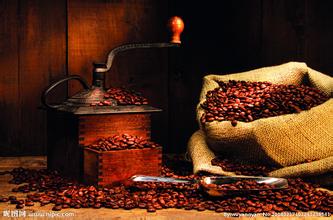
Boutique coffee Rwanda coffee producing area in the western province of Lutexilo
Since the 1920s, Arabica coffee grown in Rwanda has been famous for its unique fruit sweetness and rich grass aroma. In recent years, the Rwandan government has taken positive measures to vigorously promote coffee production, set up coffee production cooperatives in various places, and give technical guidance and financial support to farmers, so that coffee production has made considerable progress. University of Rwanda

Boutique coffee Rwanda coffee producing area in the western province of Lutexilo
Since the 1920s, Arabica coffee grown in Rwanda has been famous for its unique fruit sweetness and rich grass aroma. In recent years, the Rwandan government has taken positive measures to vigorously promote coffee production, set up coffee production cooperatives in various places, and give technical guidance and financial support to farmers, so that coffee production has made considerable progress. University of Rwanda

Boutique coffee Rwanda coffee producing area in the western province of Lutexilo
Since the 1920s, Arabica coffee grown in Rwanda has been famous for its unique fruit sweetness and rich grass aroma. In recent years, the Rwandan government has taken positive measures to vigorously promote coffee production, set up coffee production cooperatives in various places, and give technical guidance and financial support to farmers, so that coffee production has made considerable progress. University of Rwanda

Boutique coffee Rwanda coffee producing area in the western province of Lutexilo
Since the 1920s, Arabica coffee grown in Rwanda has been famous for its unique fruit sweetness and rich grass aroma. In recent years, the Rwandan government has taken positive measures to vigorously promote coffee production, set up coffee production cooperatives in various places, and give technical guidance and financial support to farmers, so that coffee production has made considerable progress. University of Rwanda

Boutique coffee Rwanda coffee producing area in the western province of Lutexilo
Since the 1920s, Arabica coffee grown in Rwanda has been famous for its unique fruit sweetness and rich grass aroma. In recent years, the Rwandan government has taken positive measures to vigorously promote coffee production, set up coffee production cooperatives in various places, and give technical guidance and financial support to farmers, so that coffee production has made considerable progress. University of Rwanda
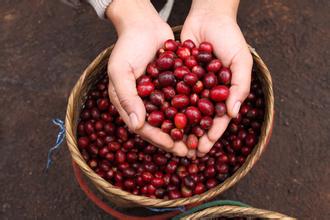
Boutique coffee Rwanda coffee producing area in the western province of Lutexilo
Since the 1920s, Arabica coffee grown in Rwanda has been famous for its unique fruit sweetness and rich grass aroma. In recent years, the Rwandan government has taken positive measures to vigorously promote coffee production, set up coffee production cooperatives in various places, and give technical guidance and financial support to farmers, so that coffee production has made considerable progress. University of Rwanda
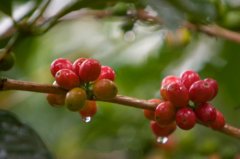
Brazilian boutique beans main stem South Minas coffee beans
Brazil is flat, with coffee farms mostly about 600-1000 meters above sea level, suitable for growing shade-free Kaddura, New World and Kaduai, also known as Sm CofFee. This is the main reason for the lack of aroma of Brazilian coffee (but when the altitude is more than 1100 meters, the taste of exposed coffee will improve, comparable to bourbon. See Chapter 4 of this book). The good news is that

Introduction to IzaIco region of Sonsonate Province, El Salvador Coffee producing area with balanced Taste and good texture
Flavor: balanced taste, excellent texture suggested baking method: medium to deep, there are many uses of high-quality beans: El SHB taste characteristics: sour, bitter, sweet mild and moderate. Salvadoran coffee ranks side by side with Mexico and Guatemala as the producers of Asa and Merdo, and is fighting for the top one or two places in China and the United States with other countries. The highland of origin is equal in size and size.

Flavor and taste of washed beans in Kunjin, Kunjin, West Highlands Province, Papua New Guinea
Professional coffee knowledge exchange more coffee bean information please follow the coffee workshop (Wechat official account cafe_style) description of the flavor and taste of washed beans in Kunjin Kunjin, West Highlands Province, Papua New Guinea. Papua New Guinea is a very diverse country with as many as 800 languages spoken in the country. Most of the tribes in the highlands didn't open until the 1930s.

Coffee-producing countries in Rwanda, a small African country, introduce the Lutesilo producing area in the western province of Chimmel Manor.
Rwanda is a small African country, and the local people are relatively poor, but it produces straight and very good coffee. Unlike its neighbors Kenya and Ethiopia, Rwanda's coffee is mainly round bourbon. The taste is not as prominent as Ethiopia and Kenya, but the evenness is excellent. Karnogi coffee in Rwanda is grown and harvested by local small farmers and is produced by Git